She Just Wanted Her Neighbors to Read. She Had No Idea What She Was Starting.
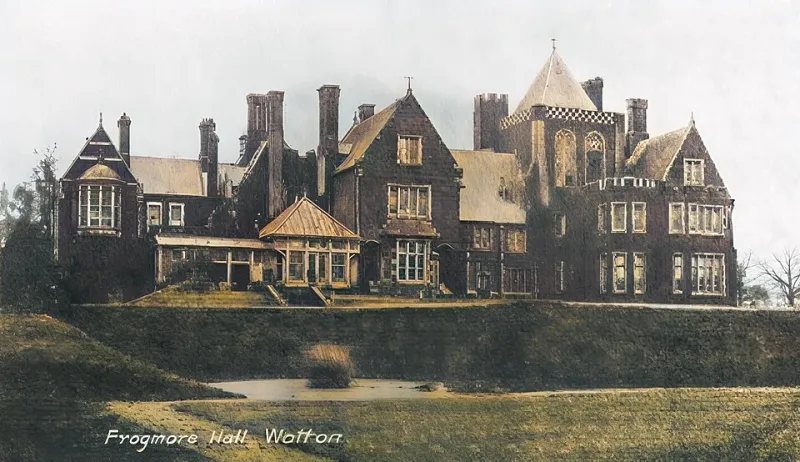
Photo: unknown, Public domain, via Wikimedia Commons
A Small Town, a Shelf of Books, and a Big Idea Nobody Had Named Yet
She didn't hold a title. She wasn't elected, appointed, or credentialed. She was just a woman in a mill town who thought it was wrong that her neighbors — the ones who worked the looms and the furnaces and the factory floors — had no real access to books.
This was nineteenth-century America, and books were, for most working people, a luxury that existed somewhere between impractical and impossible. Public education was patchy. Lending libraries, where they existed at all, were private subscription affairs — you paid a fee, you got access, and if you couldn't afford the fee, you made do without. Knowledge, in other words, had a price tag. And the people who could least afford it were exactly the ones who needed it most.
She looked at this arrangement and found it quietly, stubbornly unacceptable.
So she did something about it. Not in a grand, proclamation-issuing way. She simply opened her collection to the people around her — the mill workers, their families, the kids who had more curiosity than opportunity. No fee. No membership. No gatekeeping. Just books, available to whoever wanted them.
It sounds almost embarrassingly modest when you say it like that. But modest beginnings have a way of compounding.
What "Free" Actually Meant
To understand why this mattered, you have to understand what it meant, in that era, to declare something free.
In a culture where access to almost everything was stratified by class and income, the word carried a kind of radical weight. Free didn't just mean no charge — it meant no hierarchy. It meant that the mill hand and the mill owner's son had, in at least this one small corner of the world, the same standing. They could read the same books. Draw from the same well.
She probably didn't think of herself as a radical. Most people who quietly upend things don't. She was responding to a specific, local injustice — the fact that her neighbors were being shut out of something she believed they deserved — and she was doing it with the tools she had, which happened to be a personal book collection and an unwillingness to accept the status quo as permanent.
But the idea she was acting on — that access to knowledge is a public good, not a private privilege — was genuinely revolutionary for its time. And like most genuinely revolutionary ideas, it didn't announce itself. It just showed up, quietly, in the form of a shelf of books in a small town.
The Ripple She Never Saw Coming
Here's where the story gets interesting, and a little heartbreaking.
She never lived to see the full consequence of what she started. The chain of events her small act set in motion took decades to fully unfold, moving through networks of reformers and educators and philanthropists she never met, carried by people who built on her example without always knowing where the example had come from.
Eventually, that chain reached Andrew Carnegie.
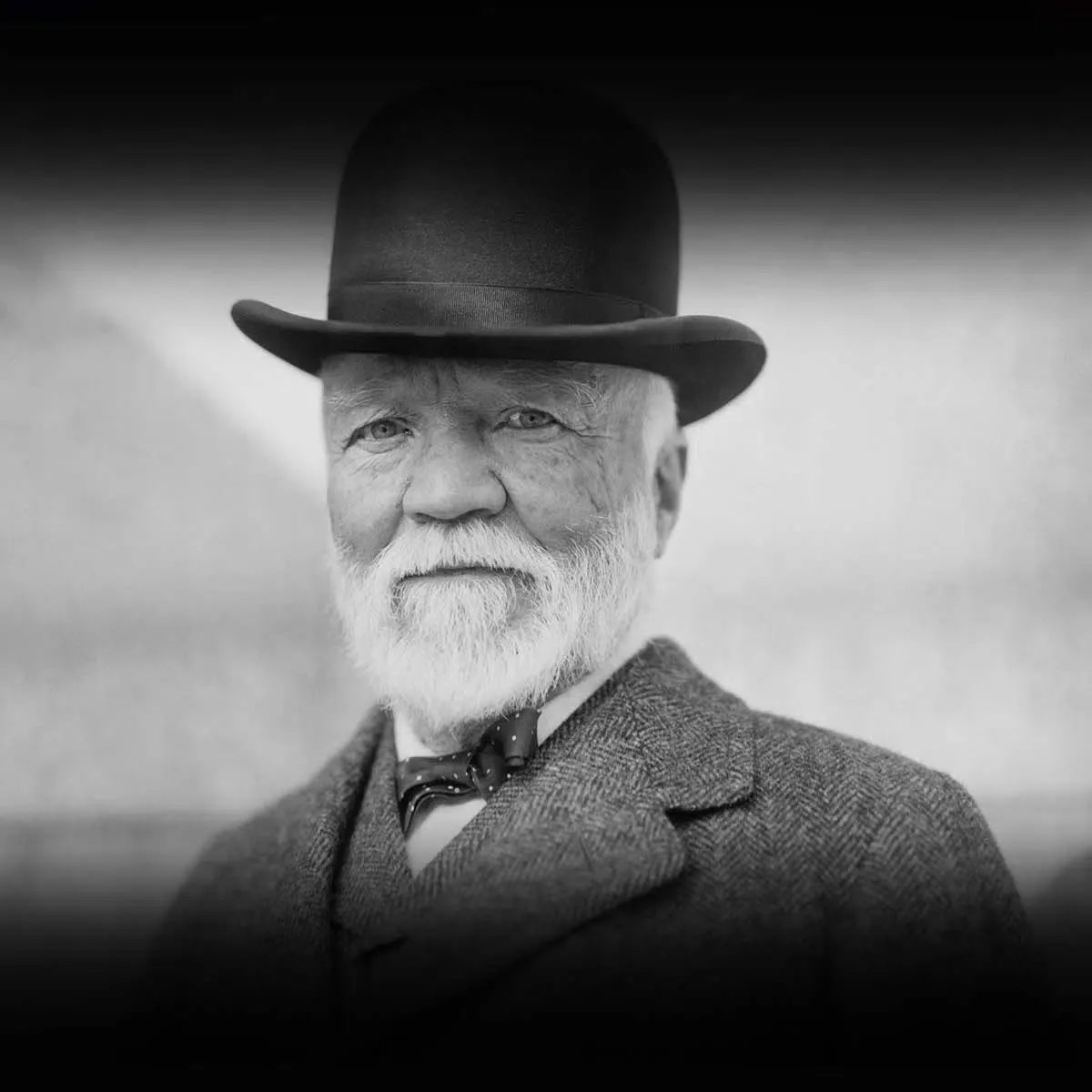 Photo: Andrew Carnegie, via nationaltoday.com
Carnegie's library philanthropy — the program that funded the construction of more than 2,500 public libraries across the United States between the 1880s and 1920s — is one of the most significant acts of institutional generosity in American history. It transformed how communities across the country thought about public access to knowledge. But Carnegie didn't invent the idea from scratch. He inherited it, through a long and complicated lineage of advocates and activists and ordinary people who had been arguing, in their own ways and their own towns, that books should be free.
She was part of that lineage. A foundational part, even if her name didn't make it into the speeches.
The Forgotten Architects of Big Ideas
History has a tendency to remember the people who build the monuments and forget the people who laid the first stones. Carnegie got his name on the buildings. She got something harder to see but arguably more important: the credit, unattributed, for demonstrating that the idea was worth building on at all.
This is a pattern that shows up again and again in the history of social change. The person who takes the first step rarely gets to see the destination. They act on a local conviction — this is wrong, and I can do something about it — without any particular expectation that their action will echo forward through time. They're not strategizing a movement. They're just refusing to accept an injustice they happen to be positioned to address.
And then, somehow, the refusal spreads.
Not because of marketing or manifestos, but because good ideas are contagious in a very specific way: they give other people permission. When someone in a small mill town proves that free access to books is possible — that you can just do it, that the world doesn't end, that people show up and treat the books with care — it becomes harder for the next town over to claim it can't be done.
What She Left Behind
The American public library system is one of the country's most quietly radical institutions. Walk into any branch in any city and you can borrow books, use the internet, attend a class, or just sit in a warm building without spending a cent. No membership fee. No proof of income. No gatekeeping.
 Photo: American public library system, via fglibrary.co.uk
Most Americans take this for granted, which is, in its own way, a measure of how completely the idea has won.
But it wasn't inevitable. It was built, piece by piece, by people who believed that knowledge shouldn't be rationed by wealth — and it was started, in some meaningful sense, by a woman in a mill town who just thought her neighbors deserved something decent to read.
She didn't have a strategy. She didn't have a platform. She had books, and conviction, and the particular kind of stubbornness that doesn't require an audience.
Sometimes that's enough to change everything.