They Kept Her From the Books. She Rewrote the Rules of Who Libraries Are For.

Photo: Niklitov, CC BY-SA 4.0, via Wikimedia Commons
There is something quietly devastating about a child who loves books being told that the books are not for her.
Not because she lacks the capacity. Not because she hasn't earned the right. But because of the color of her skin, in a country that wrote freedom into its founding documents while spending centuries deciding who that freedom actually applied to.
Clara Stanton Jones grew up navigating that contradiction. She would spend her professional life dismantling it — not with a single dramatic act, but with the slow, deliberate work of someone who understood exactly what exclusion felt like and refused to let it be anyone else's permanent condition.
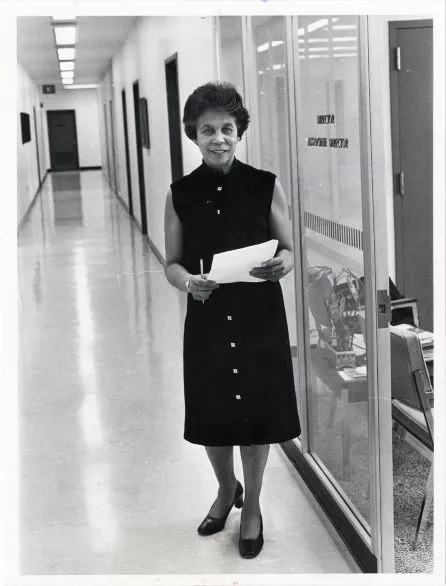 Photo: Clara Stanton Jones, via www.mlanet.org
Growing Up on the Wrong Side of the Card Catalog
Jones was born in St. Louis in 1913, the daughter of educated, middle-class Black parents who understood that books were not a luxury but a form of armor. Her father read to her. Her mother made clear that education was the one inheritance that couldn't be taken away.
The problem was that the institutions that housed education — the libraries, the universities, the professional networks — were not built with her in mind. The Jim Crow South, and the quietly segregated North, had constructed elaborate systems for ensuring that Black Americans could aspire to learning without ever quite reaching the same rooms where white Americans did theirs.
Libraries, of all places, enforced this with particular cruelty. The buildings that existed to democratize knowledge — that were founded on the premise that information should be free and available to everyone — routinely turned away Black patrons, maintained separate (and inferior) collections, and treated the people most in need of their resources as though they were trespassers.
Jones absorbed this. She also refused to accept it as permanent.
The Long Education of a Reluctant Outsider
She earned her undergraduate degree from Spelman College in Atlanta, one of the historically Black colleges that existed precisely because mainstream institutions had decided Black students weren't welcome. Then a library science degree from the University of Michigan — one of the first Black women to complete the program there — in an era when being first at anything in a predominantly white institution meant spending considerable energy on battles that had nothing to do with your actual coursework.
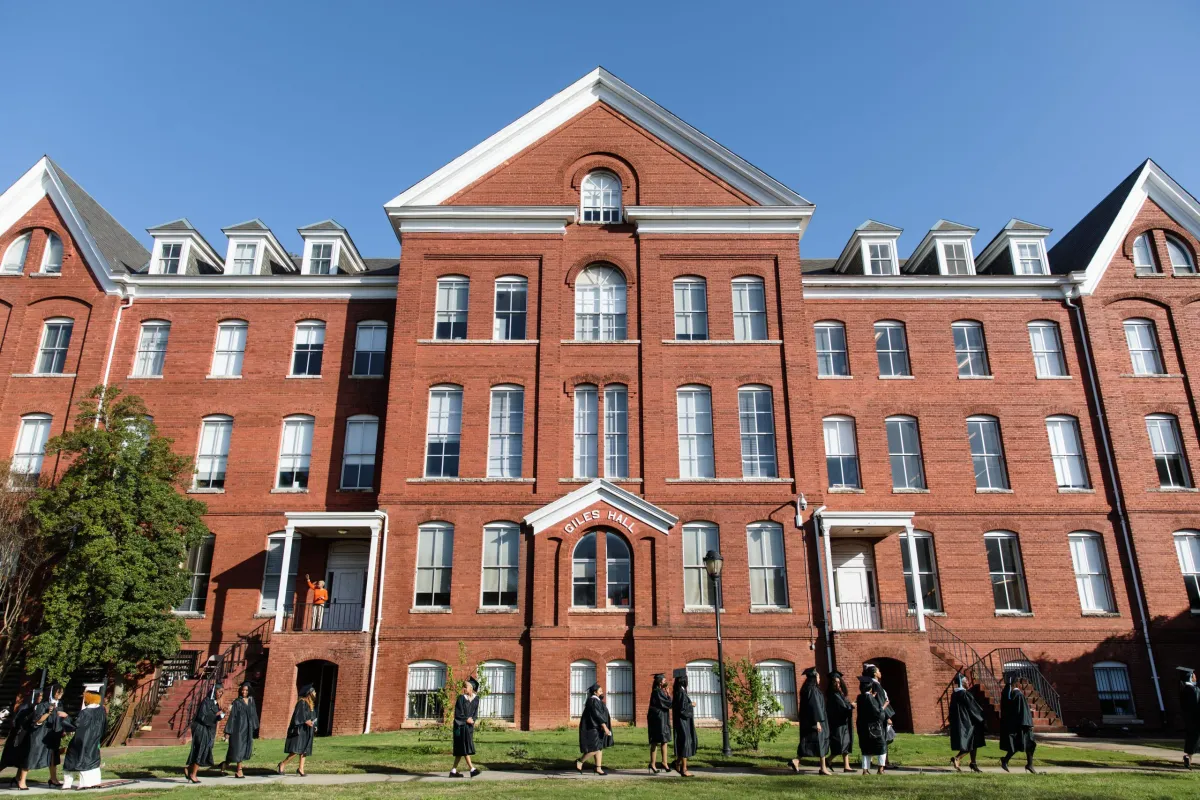 Photo: Spelman College, via educatedquest.com
She joined the Detroit Public Library system in 1944. Over the following decades, she moved steadily upward through its ranks, eventually becoming its director in 1970 — the first Black person and the first woman to hold that position in Detroit's history.
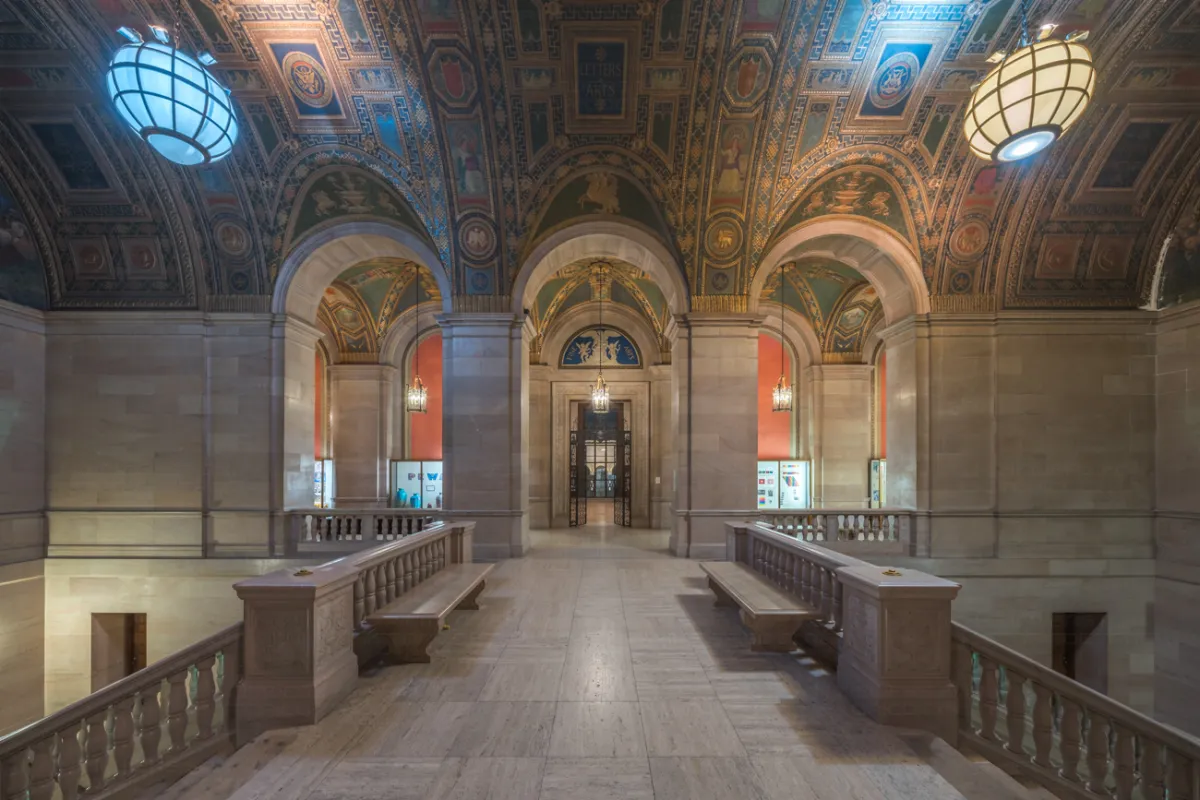 Photo: Detroit Public Library, via storage.googleapis.com
That sentence has a clean, triumphant sound to it. The reality was messier. Detroit in 1970 was a city in convulsion — reeling from the 1967 uprising, hemorrhaging white residents and tax dollars to the suburbs, wrestling with questions about what public institutions owed to the communities they theoretically served. Jones stepped into a director's role at a moment when the very definition of a public library — who it was for, what it was supposed to do — was being contested in real time.
What Exclusion Teaches You
Here is what being kept out of a system for years gives you that insiders rarely develop: a precise understanding of the gap between what an institution claims to be and what it actually does.
Jones had spent her childhood on the wrong side of that gap. She knew, from lived experience, that a library that locked out a portion of its community wasn't a public library in any meaningful sense — it was a private club with a public subsidy. She knew that collections curated without input from the communities they were meant to serve would inevitably fail those communities. She knew that hours, locations, programming, and staffing decisions made by people who had never had to fight for access would quietly reproduce the exclusions of the past.
So she changed things. Not with grand speeches, but with policy. Detroit's library system under Jones became a national model for community outreach — taking services into neighborhoods rather than waiting for neighborhoods to come to the library, building collections that reflected the actual diversity of the city's population, hiring staff that looked like the patrons they served.
It was unglamorous, institutional work. It was also transformative.
The Presidency Nobody Expected
In 1976, Clara Stanton Jones was elected president of the American Library Association — the oldest and largest library association in the world, the professional body that set the standards and shaped the culture of American librarianship.
She was the first Black person to hold the position in the organization's nearly hundred-year history.
The timing was not accidental. The mid-1970s were a moment when American institutions were being forced to reckon with who had been excluded from their leadership and why. But Jones wasn't elected as a symbol. She was elected because she had spent three decades doing the work — building a career, demonstrating competence, and accumulating the kind of institutional credibility that couldn't be dismissed.
Her tenure as ALA president focused relentlessly on equity: on making sure that public libraries served the full public, not just the portion of it that had always felt comfortable walking through the door. She pushed for outreach to low-income communities, for services in languages other than English, for collections that reflected the range of American experience rather than a narrow slice of it.
The Architecture of Access
What Jones understood — and what her career embodies — is that institutions don't automatically serve everyone just because they're called public. They serve whoever built them, whoever shaped their policies, whoever their leadership imagined when they thought about the word patron.
Changing who gets served requires changing who is in the room when decisions get made. It requires people who have experienced exclusion firsthand, who carry that knowledge into leadership and refuse to let it be theoretical.
Jones never framed her work as revenge for the libraries that had turned her away. She framed it as completion — as finishing the project that public libraries had always claimed to be pursuing but had never quite managed to achieve.
Free and equal access to knowledge. For everyone. Not as a slogan. As a policy.
The girl who grew up on the wrong side of the card catalog spent her career making sure fewer children would know what that felt like. That's not a straight-line success story. It's something better: a life that turned its own wounds into a blueprint for something more just than what came before.