The Prophet of Wrong: How Spectacularly Bad Predictions Built America's Research Empire

The Man Who Got Everything Wrong (And Changed Everything)
In 1903, Thomas Edison confidently predicted that within a decade, electric automobiles would completely replace gasoline-powered cars. He was off by about a century. In 1911, he announced that concrete houses would revolutionize American housing—they'd be fireproof, affordable, and beautiful. Exactly thirteen were ever built, and they were none of those things. In 1914, he proclaimed that motion pictures would make books obsolete within ten years. Libraries everywhere breathed a sigh of relief when that one didn't pan out either.
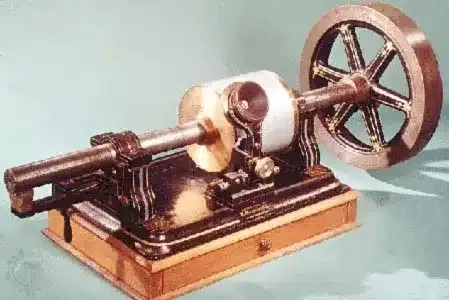 Photo: Thomas Edison, via pmamagazine.org
By any reasonable measure, Edison should have been laughed out of public discourse. His track record of wildly incorrect predictions was so consistent it bordered on performance art. Newspaper editors kept running tallies of his missed forecasts. Competitors mocked his grandiose claims. Even his own employees sometimes cringed when he opened his mouth at press conferences.
Yet this same man—the prophet of wrong, the sultan of spectacularly bad predictions—built the most important research institution in American history. His Menlo Park laboratory didn't just produce over 1,000 patents; it invented the very concept of systematic industrial research that would power American innovation for the next century.
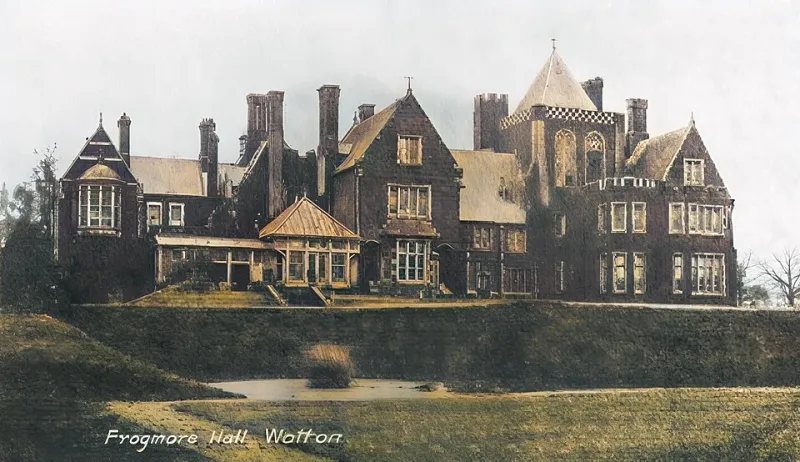
 Photo: Menlo Park, via media-production.lp-cdn.com
The secret wasn't that Edison was right about the future. It was that he was wrong in exactly the right way.
The Art of Public Failure
Most inventors of Edison's era worked in secret, revealing their discoveries only when they were certain of success. Edison did the opposite. He made bold public proclamations about what he was working on, often before he had any idea how to actually achieve it. When he announced he would invent a practical electric light bulb, he hadn't even started experimenting with filaments. When he promised to create a system for recording and playing back sound, the phonograph existed only in his imagination.
This approach horrified his more cautious colleagues. Making public promises about unproven technologies seemed like professional suicide. What if you failed? What if your predictions turned out to be completely wrong?
Edison's answer was simple: so what?
His willingness to be wrong in public became his greatest competitive advantage. While other inventors waited for certainty, Edison was already moving on to the next challenge. His failed predictions didn't destroy his reputation—they enhanced it. Each spectacular miss proved he was thinking bigger and moving faster than anyone else in the game.
The concrete houses were a disaster, but the experiments led to improved cement manufacturing processes. The electric car prediction was premature by decades, but it drove innovations in battery technology that found immediate applications in other devices. Even his most ridiculous forecasts generated valuable research that paid dividends in unexpected ways.
The Laboratory That Failure Built
Edison's Menlo Park facility, established in 1876, was unlike anything that had existed before. Previous inventors worked alone or with a single assistant. Edison assembled teams of specialists—glassblowers, machinists, chemists, mathematicians—and set them loose on multiple projects simultaneously.
The key insight was that failure wasn't the opposite of success; it was the raw material from which success was manufactured. Edison's teams didn't just tolerate failure—they systematized it. They kept detailed records of what didn't work, understanding that today's dead end might become tomorrow's breakthrough.
This philosophy was revolutionary. Traditional research focused on avoiding mistakes. Edison's laboratory embraced them. When experiments failed, instead of starting over, the teams analyzed why they failed and what those failures revealed about the underlying science. The laboratory became a machine for converting wrong assumptions into useful knowledge.
The numbers tell the story: Edison's teams conducted over 3,000 experiments to perfect the incandescent light bulb. Most of those experiments failed. But each failure taught them something about materials, electricity, and manufacturing that informed the next attempt. The wrong answers weren't obstacles—they were stepping stones.
Why Being Wrong Was Right
Edison's public predictions served a purpose beyond simple publicity. They were strategic tools for managing both innovation and business development. When he announced impossible-sounding goals, he wasn't just making wild guesses—he was creating a framework for systematic exploration.
Consider his approach to the electric light bulb. When he publicly promised to create practical electric lighting, he was essentially betting his reputation on solving a problem that had stumped the world's best scientists. The announcement attracted investors, talented researchers, and public attention. More importantly, it forced his team to think beyond incremental improvements toward revolutionary solutions.
The same dynamic played out across dozens of innovations. Edison's "wrong" predictions created urgency, attracted resources, and focused his laboratory's efforts on ambitious goals rather than safe, incremental projects. His willingness to be publicly wrong gave him permission to attempt things that more cautious inventors wouldn't even try.
This approach also insulated him from the paralyzing fear of failure that crippled many of his contemporaries. Once you've made spectacularly wrong predictions in front of the entire world and survived, smaller setbacks lose their sting. Edison's teams operated with a freedom that came from knowing their boss had already embarrassed himself publicly and lived to tell about it.
The Genius of Productive Failure
What separated Edison from other inventors wasn't his success rate—it was his failure rate. He failed more often, more publicly, and more spectacularly than any of his peers. But he also failed more productively.
Each wrong prediction taught his organization something valuable about the boundaries of current technology, the needs of potential markets, and the direction future research should take. His concrete house experiment was a commercial disaster, but it revealed important insights about mass production techniques that influenced everything from automobile manufacturing to consumer appliances.
The electric car prediction, while premature, drove his teams to develop better batteries, more efficient motors, and improved charging systems. When gasoline cars temporarily won the market, Edison's research found applications in industrial equipment, submarines, and early electronics.
Even his most ridiculed forecasts often contained kernels of truth that wouldn't become apparent for decades. His prediction that motion pictures would revolutionize education was mocked in 1914, but it laid the groundwork for the educational film industry that emerged in the 1920s and 1930s.
The Laboratory That Changed America
By the time Edison moved his operations to West Orange in 1887, his approach to systematic innovation had created something unprecedented: an industrial research laboratory that could generate commercially viable inventions on demand. The facility employed over 200 researchers and support staff, making it larger than most universities.
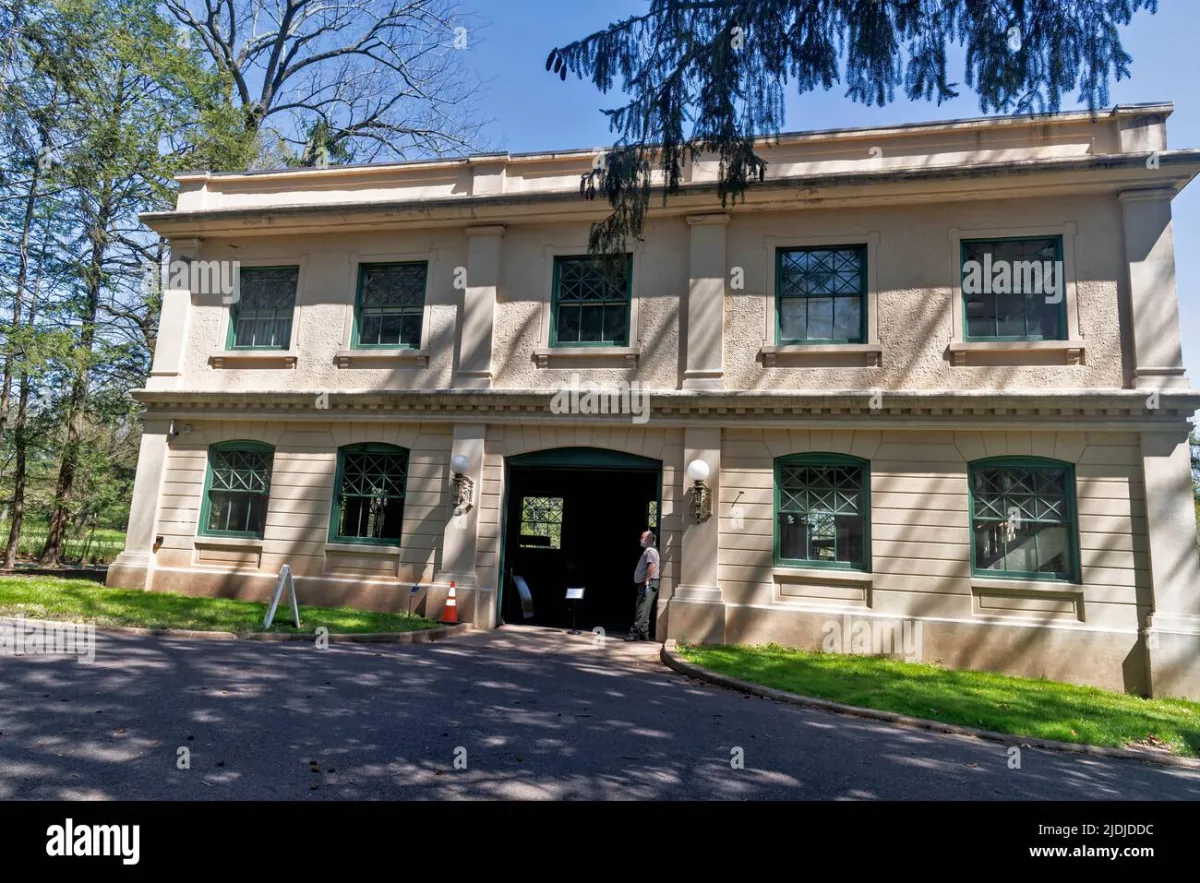 Photo: West Orange, via c8.alamy.com
More importantly, it had established a new model for American innovation. Instead of waiting for individual genius to strike, companies could invest in systematic research, accept high failure rates, and expect regular breakthroughs. Edison's willingness to be wrong had proven that innovation was a process, not just inspiration.
The influence of this model extended far beyond Edison's own work. Companies like General Electric, Bell Labs, and DuPont adopted similar approaches, creating the research-and-development infrastructure that would drive American technological leadership through the 20th century.
The Prophet's True Prediction
Thomas Edison made thousands of predictions during his career. Most of them were wrong. But he got one thing exactly right: the future would belong to organizations that could systematically convert failure into knowledge, wrong answers into right questions, and impossible dreams into practical realities.
His greatest invention wasn't the light bulb or the phonograph—it was the research laboratory itself. And his most accurate prediction was that being wrong in public, done with enough systematic persistence, would eventually lead to being spectacularly right.
In an age when most people fear making mistakes, Edison's story reminds us that the biggest mistake might be playing it too safe. Sometimes the path to changing everything starts with getting everything wrong—and having the courage to keep going anyway.