The Uneven Path Home

Category

History

35 articles


The Business Was in Her Name. The Credit Went Somewhere Else.

She couldn't sign a contract, open a bank account, or own property without a man's signature backing her up. So she built her business in the spaces nobody was watching — and by the time anyone thought to look, she was already wealthy.

He Lost Everything at Forty-Two. What He Built Next Lasted a Century.

He Lost Everything at Forty-Two. What He Built Next Lasted a Century.

When Aleksander Voss's first American business collapsed in spectacular fashion, it took his savings, his reputation, and very nearly his nerve. What it couldn't take was what he'd learned on the way down — and that education, brutal as it was, turned out to be worth more than anything he'd lost.

Ward Seven Had No Blackboards. She Built a Classroom Anyway.

Ward Seven Had No Blackboards. She Built a Classroom Anyway.

In the iron lung wards of the 1950s, a nurse named Dorothy Cahill refused to let paralysis be the end of the story. What she invented inside those sterile, humming rooms didn't just help her patients survive — it quietly rewrote how America thought about teaching kids who didn't fit the mold.

Scrap Metal, Sore Pride, and the Toy That Ended Up in the Smithsonian

Scrap Metal, Sore Pride, and the Toy That Ended Up in the Smithsonian

Every manufacturer he walked into showed him the door. So he walked back to his garage, picked up a pair of tin snips, and got to work. What came out of that Depression-era junkyard wasn't just a toy — it was proof that the people who say no sometimes do you the biggest favor of your life.

The Man Nobody Wanted Built the Building That Changed Everything

The Man Nobody Wanted Built the Building That Changed Everything

John Wellborn Root never got the commissions that went to the famous names. What he got instead was time — time to think, to experiment, and to quietly solve a problem that would reshape every American city skyline that came after him. Sometimes the biggest stages belong to the people nobody bothered to invite.

He Was Wrong About Almost Everything — and That's Exactly Why Medicine Owes Him

He Was Wrong About Almost Everything — and That's Exactly Why Medicine Owes Him

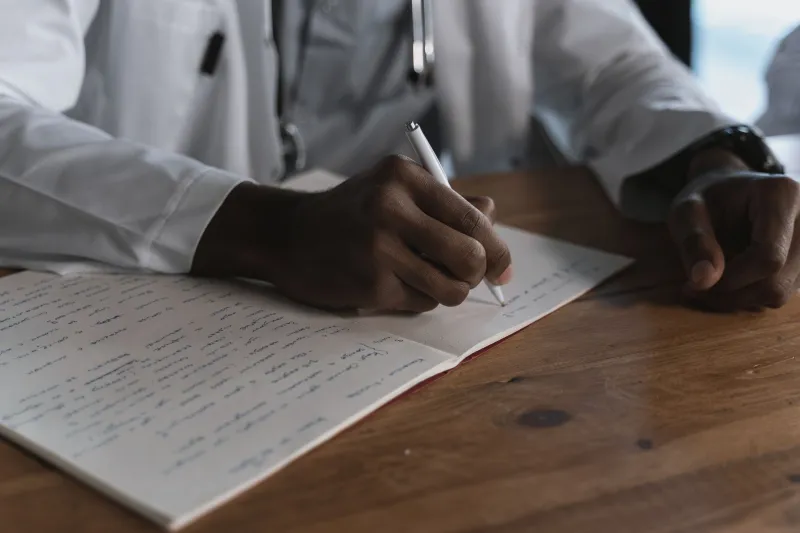
For four decades, a nineteenth-century country doctor kept meticulous notebooks documenting every misdiagnosis he ever made. His colleagues thought he was eccentric. Historians now recognize his obsessive honesty as the earliest foundation of systematic medical record-keeping in the United States. His shame built something that outlasted his career by more than a century.

The Hand He Lost Taught Him Every Language He'd Ever Need

The Hand He Lost Taught Him Every Language He'd Ever Need

He arrived in America as the son of a Portuguese fisherman with nothing but calloused hands and a borrowed future. When an accident took the hand he relied on most, it set him on a path no diplomat school could have designed — one that ended at the center of the twentieth century's most delicate peace table.

Three Times It Burned. Every Time It Came Back Stranger and Stronger.

Three Times It Burned. Every Time It Came Back Stranger and Stronger.

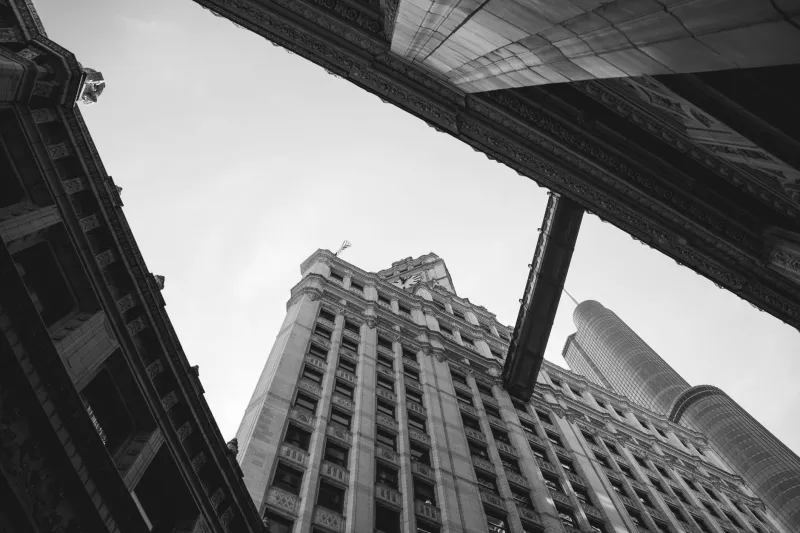
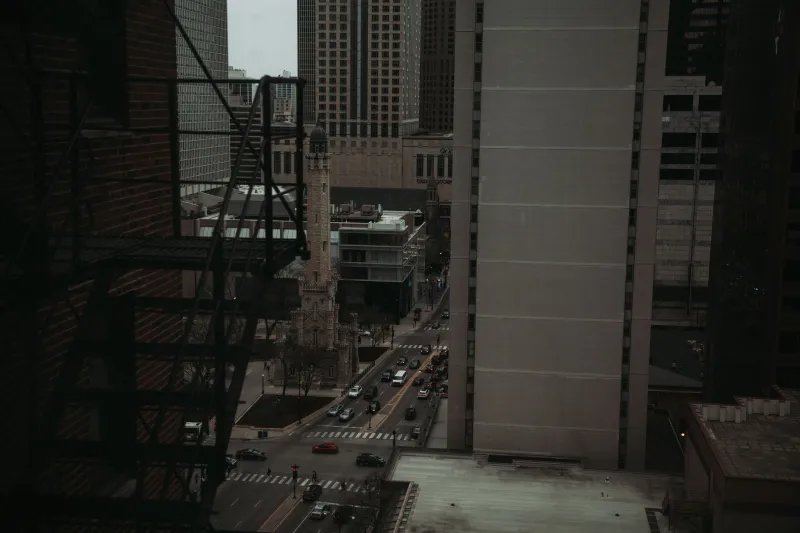
Chicago has been destroyed and rebuilt so many times that resilience stopped being a choice and became a civic personality. But behind the city's famous stubbornness are individual lives that mirror its arc — people who lost everything and built something better from the rubble.

Lost on Purpose: The Runaway Who Learned to Read the West Like a Book

Lost on Purpose: The Runaway Who Learned to Read the West Like a Book

Kit Carson ran away from a saddler's apprenticeship at fifteen with nothing but a mule and a bad sense of direction. Decades later, he was the most trusted pair of eyes in American exploration history. Turns out, getting lost enough times is its own kind of education.

From Coal Dust to Gold Dust: The Irish Laborer Who Outsmarted Wall Street

From Coal Dust to Gold Dust: The Irish Laborer Who Outsmarted Wall Street

Thomas Mellon arrived in Pennsylvania with nothing but calloused hands and a hunger that proper bankers would never understand. While Ivy League financiers played by gentlemen's rules, this former farm laborer built America's most enduring banking empire by trusting the lessons learned in poverty.

The Boat Thief Who Sailed Into Congress

The Boat Thief Who Sailed Into Congress

Robert Smalls commandeered a Confederate gunboat in Charleston Harbor, delivered it to Union forces, and somehow parlayed that single act of breathtaking audacity into a seat in the U.S. House of Representatives. His journey from enslaved dock worker to congressman reads like fiction—except every impossible leap actually happened.

The Translator Who Talked Her Way Into Changing American History

The Translator Who Talked Her Way Into Changing American History

Sacagawea was hired as a translator for Lewis and Clark, but her quick thinking and cultural intuition prevented conflicts that could have ended American westward expansion before it began. Her story reveals how the people history remembers least often shaped it most.

The Eyes He Lost Led Him to See Mathematics Differently Than Anyone Before

The Eyes He Lost Led Him to See Mathematics Differently Than Anyone Before

When Leonhard Euler lost sight in his right eye at 31, colleagues worried his mathematical career was over. Instead, he produced half of his life's work—including his most elegant discoveries—after losing vision in both eyes. His story reveals how constraint can unlock creativity in ways comfort never could.

The Teenage Mother Who Saved America's Greatest Adventure

The Teenage Mother Who Saved America's Greatest Adventure

When Sacagawea joined the Lewis and Clark Expedition, she was barely sixteen, carrying a newborn, and had been sold into marriage. Yet her quiet competence and cultural knowledge repeatedly prevented disaster on America's most famous journey west.

The Factory Girl Who Rewrote the Rules for Every Worker in America

The Factory Girl Who Rewrote the Rules for Every Worker in America

Rose Schneiderman started sewing cap linings at age 13 to keep her family from starving on New York's Lower East Side. Forty years later, she was sitting across from President Roosevelt, helping write the labor laws that still protect American workers today.

The Broken Sailor Who Mapped the World's Oceans Without Leaving His Desk

The Broken Sailor Who Mapped the World's Oceans Without Leaving His Desk

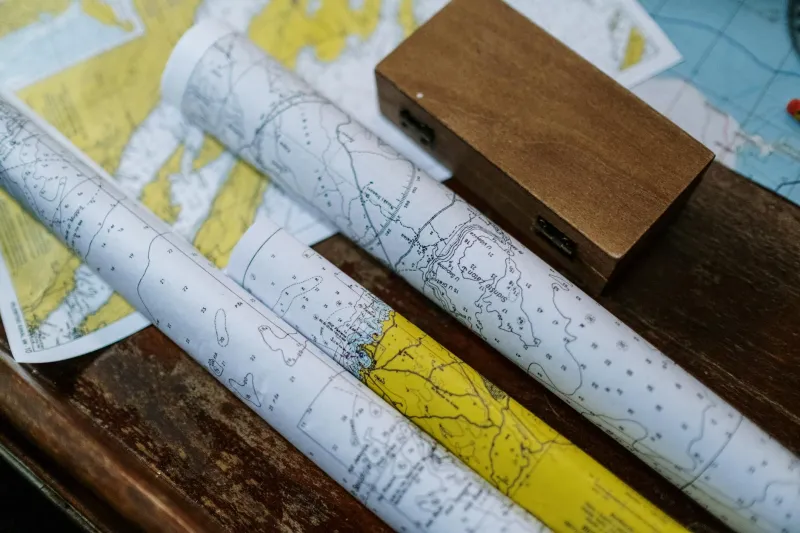
A devastating stagecoach accident ended Matthew Fontaine Maury's naval career before it truly began. But from a government office in Washington, this Tennessee orphan would revolutionize ocean navigation and save countless lives by studying something everyone else ignored: old ship logs.

The Restless Mind That Wired Silicon Valley Before Anyone Called It That

The Restless Mind That Wired Silicon Valley Before Anyone Called It That

Long before venture capital became a buzzword and garage startups filled headlines, one college dropout was quietly connecting the dots between brilliant minds, patient money, and revolutionary ideas. His story reveals how the tech world's foundation was built not by the famous names we know, but by someone whose restless curiosity created the very ecosystem that made their success possible.

The Anxious Mind That Healed a Million Others

The Anxious Mind That Healed a Million Others

Aaron Beck's own struggles with panic attacks and self-doubt led him to challenge the entire psychiatric establishment. From a basement lab at Penn, this medical school dropout revolutionized how we understand and treat depression.

Two Equations on a Blackboard Changed Everything He Thought He Knew About Math

Two Equations on a Blackboard Changed Everything He Thought He Knew About Math

George Dantzig walked into statistics class twenty minutes late and changed the course of modern mathematics without realizing it. The problems scrawled on the board weren't homework assignments—they were famous unsolved riddles that had stumped the field for years. His story reveals how being an outsider to institutional thinking can be the greatest advantage of all.

The Woman Who Measured the Universe on a Quarter an Hour

The Woman Who Measured the Universe on a Quarter an Hour

Henrietta Swan Leavitt was paid 25 cents an hour to stare at glass plates and count stars she would never see through a telescope of her own. What she found in that tedious, underpaid work quietly rewrote everything we thought we knew about the size of the cosmos. Her name was nearly lost to history — but her discovery wasn't.

Doctors Said She'd Never Walk Right. She Became the Fastest Woman on Earth.

Doctors Said She'd Never Walk Right. She Became the Fastest Woman on Earth.

Wilma Rudolph was the twentieth of twenty-two children, born premature in rural Tennessee, and spent much of her childhood in leg braces that doctors said she might never escape. Twelve years later, she stood on the Olympic podium in Rome as the fastest woman in the world. This is the story of how she got there.

Every Door That Closed Led Him Somewhere the Ivy League Never Could

Every Door That Closed Led Him Somewhere the Ivy League Never Could

He grew up in a segregated Southern town where the law was something that happened to people like him, not for them. He failed his bar exam twice, got turned away from the schools that mattered, and somehow built a legal career that rewrote what American courtrooms could look like. The detours weren't detours at all.

Every Door They Slammed Became a Window: The Radical Legal Mind of Pauli Murray

Every Door They Slammed Became a Window: The Radical Legal Mind of Pauli Murray

Pauli Murray was rejected by Harvard, failed the bar exam twice, and was turned away from institutions that would later build their legacies on ideas Murray had pioneered. The quiet irony is that every rejection left a paper trail — and that paper trail helped reshape American constitutional law. This is the story of a thinker who was too far ahead to be let in, and too persistent to stay out.