The Businessman They Called Mad: How One Man's Breakdown Rebuilt America's Mental Health System
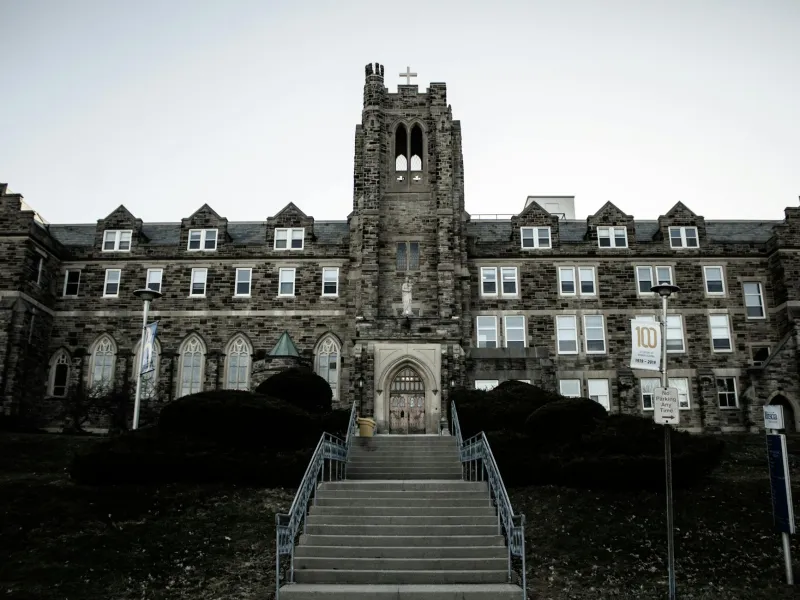
The Perfect Life, Perfectly Shattered
Clifford Whittingham Beers had everything figured out by age twenty-four. A Yale graduate with a promising career in New Haven's insurance industry, he embodied the American dream of the 1890s—educated, ambitious, and ascending the social ladder with Methodist precision.
 Photo: Clifford Whittingham Beers, via m.media-amazon.com
Then his brother Sam committed suicide.
The event shattered Clifford's carefully constructed world. Within months, he was consumed by paranoid delusions, convinced that he too was destined for madness and self-destruction. His family, following the medical wisdom of the era, made the decision that would change American psychiatry forever: they committed him to a private asylum.
What happened next would expose one of the darkest chapters in American medical history—and ultimately transform it.
Inside the Chamber of Horrors
The Hartford Retreat, despite its genteel name, was a medieval nightmare dressed in Victorian respectability. Patients were beaten for minor infractions, force-fed spoiled food, and left in their own filth for days. Attendants, many of them violent men hired off the street, treated inmates like dangerous animals rather than human beings suffering from illness.
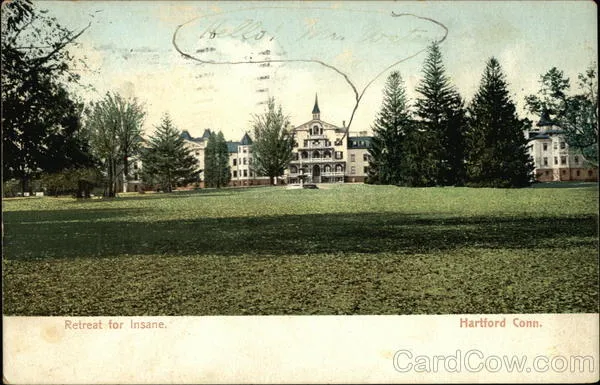 Photo: Hartford Retreat, via www.cardcow.com
But Clifford possessed something most patients lacked: the education and social standing to document what he witnessed. Even in the depths of his psychological crisis, he maintained a journalist's eye for detail. He smuggled scraps of paper into his cell and recorded everything—the systematic cruelty, the medical incompetence, the deliberate dehumanization of vulnerable people.
For three years, Clifford endured treatment that would have been considered torture in any other context. He was strapped into straitjackets for weeks, subjected to ice-cold baths as punishment, and denied basic medical care. Attendants regularly beat patients who complained or showed signs of improvement, viewing recovery as a form of rebellion against institutional authority.
The Awakening
Clifford's breakthrough came not through medical intervention, but through a gradual return to clarity that allowed him to see his situation with devastating precision. He realized that the asylum system wasn't designed to cure anyone—it was designed to warehouse society's unwanted and extract profit from their suffering.
More importantly, he understood that he possessed something rare: the credibility and connections to expose this system to the outside world. Most patients who survived asylum treatment returned to society broken and silent, too traumatized to speak about their experiences. But Clifford had the education, social standing, and writing ability to tell their story.
The Manifesto That Changed Everything
After his release in 1903, Clifford spent two years crafting what would become "A Mind That Found Itself"—a searing memoir that exposed American mental health care as a system of organized brutality. The book combined personal narrative with devastating institutional analysis, revealing how America treated its most vulnerable citizens.
The response was immediate and explosive. William James, Harvard's legendary psychologist, called it "the most important contribution to mental health reform in American history." Theodore Roosevelt invited Clifford to the White House and pledged federal support for asylum reform. Newspapers across the country ran exposés based on Clifford's revelations.
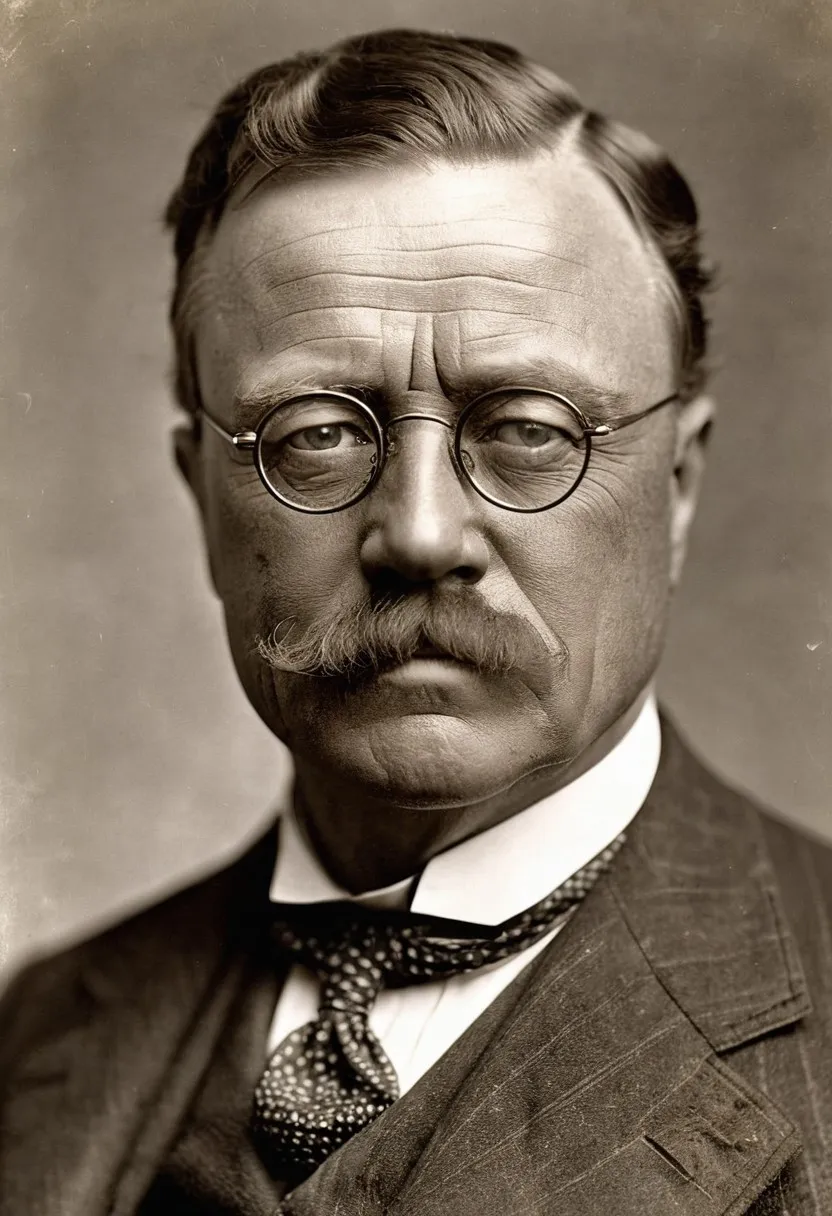 Photo: Theodore Roosevelt, via imgcdn.stablediffusionweb.com
But Clifford wasn't content with mere exposure. He had a vision for something entirely different: a mental hygiene movement that would prevent mental illness rather than simply warehousing its victims.
Building the Movement
In 1908, Clifford founded the National Committee for Mental Hygiene, the first organization dedicated to systematic mental health reform in America. His approach was revolutionary: instead of focusing solely on institutional reform, he advocated for public education, early intervention, and the radical idea that mental illness should be treated like any other medical condition.
Clifford's credibility as both a successful businessman and a survivor gave him unique access to power. He convinced wealthy philanthropists to fund research, persuaded politicians to pass reform legislation, and recruited prominent doctors to join his cause. Within a decade, the mental hygiene movement had chapters in every state and international affiliations across Europe.
The Science of Compassion
Clifford's greatest insight was understanding that mental health reform required both institutional change and cultural transformation. He worked tirelessly to destigmatize mental illness, arguing that psychological suffering was a medical condition rather than a moral failing or divine punishment.
His advocacy led directly to the establishment of child guidance clinics, the professionalization of psychiatric nursing, and the development of occupational therapy as a medical discipline. By 1930, American mental health care bore little resemblance to the medieval system that had nearly destroyed him.
The Uneven Path to Progress
Clifford's journey from successful businessman to psychiatric patient to national reformer illustrates how personal crisis can become the catalyst for social transformation. His breakdown, which seemed like the end of his productive life, actually equipped him with the knowledge and motivation to save countless others from similar suffering.
The man who was once dismissed as hopelessly insane became one of the most influential figures in American medical history. His detailed documentation of abuse became the foundation for modern patient rights. His advocacy for early intervention and community-based care presaged contemporary approaches to mental health treatment.
The Legacy of a Mind That Found Itself
Clifford Beers died in 1943, having lived to see American mental health care transform from a system of punishment to one of treatment. The National Committee for Mental Hygiene evolved into the National Mental Health Association, continuing his work into the twenty-first century.
His story reminds us that progress often emerges from the most unlikely sources. The businessman who suffered a breakdown became the architect of American mental health reform. His uneven path from privilege to patient to pioneer proves that sometimes our greatest contributions come not despite our struggles, but because of them.
In a nation that often prefers to hide its problems rather than confront them, Clifford Beers chose exposure over silence, reform over resignation. His mind that found itself helped millions of other minds find hope.