The Myth That Wouldn't Die
For over a century, America clung to a beautiful lie about its favorite sport. The story went like this: In 1839, in the bucolic village of Cooperstown, New York, a young man named Abner Doubleday laid out the first baseball diamond and invented the national pastime from whole cloth. It was tidy, patriotic, and completely fabricated.
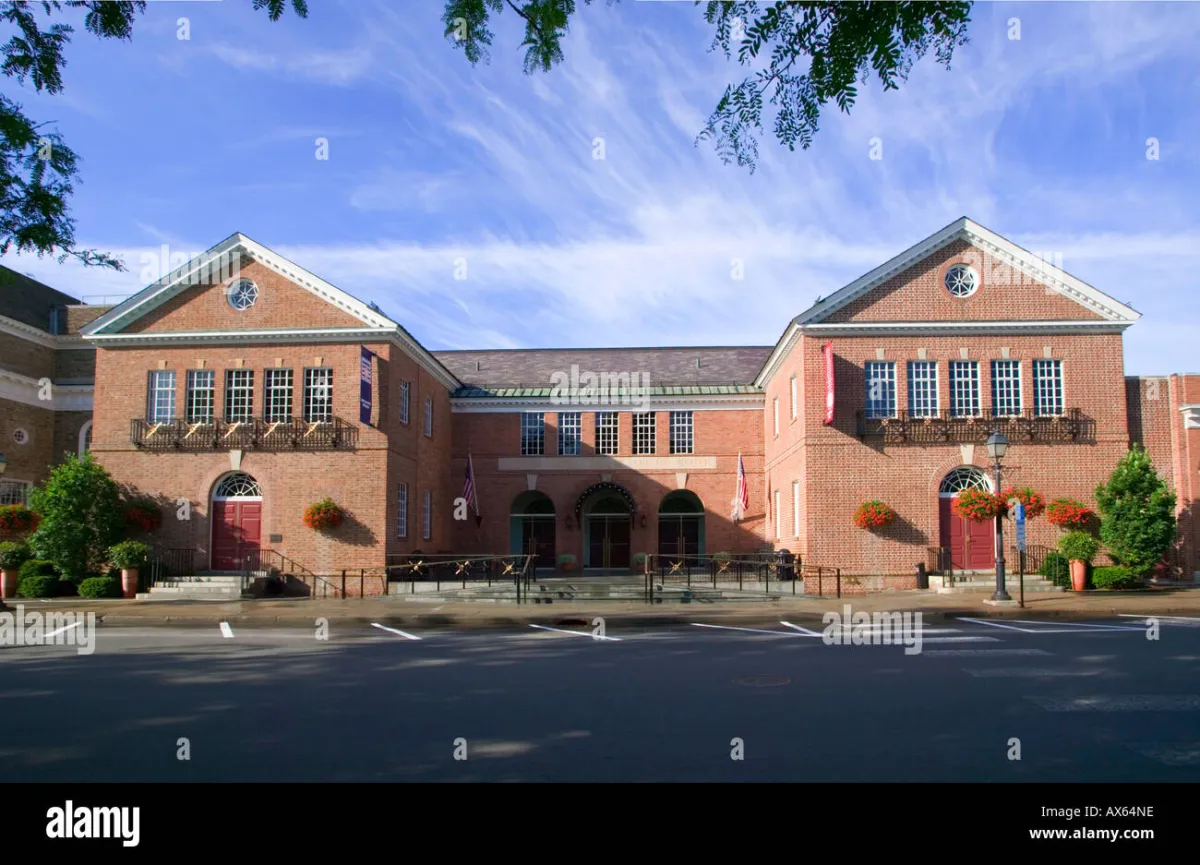 Photo: Cooperstown, New York, via c8.alamy.com
The truth turned out to be far messier—and far more interesting.
When Games Had No Rules
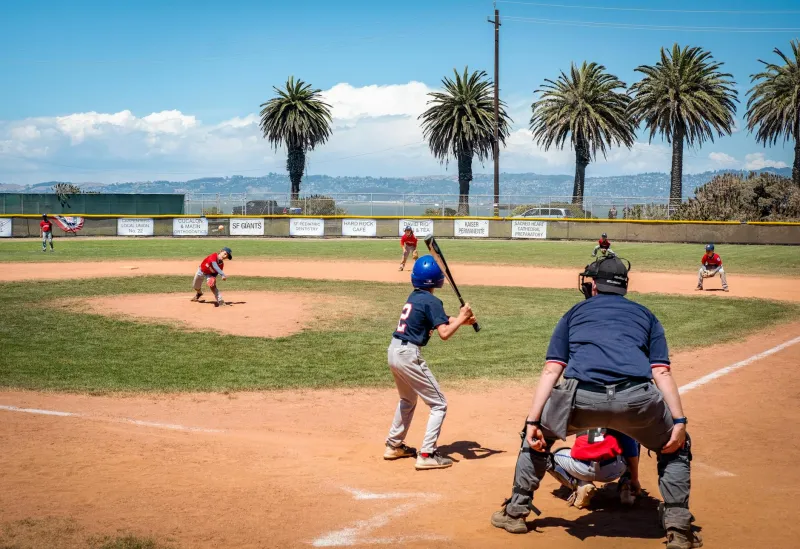
In the 1840s, American cities were exploding with people who had no idea how to spend their newfound leisure time. The industrial revolution had given working men Saturday afternoons off, and they were restless. In vacant lots from Boston to Baltimore, groups gathered to play variations of an old English game called rounders—or town ball, or the Massachusetts game, depending on who was swinging the stick.
Nobody was trying to invent anything. They were just playing.
The rules changed from neighborhood to neighborhood, sometimes from game to game. In some versions, you could throw the ball at a runner to get him out—a practice that led to more than a few bloody noses. Other groups played with posts instead of bases, or allowed unlimited foul balls, or let the batter choose which direction to run.
It was chaos. Beautiful, democratic chaos.
The Clerk Who Wrote It All Down
Enter Alexander Cartwright, a bank clerk and volunteer firefighter who played with a group called the Knickerbocker Base Ball Club in Manhattan. Cartwright wasn't trying to revolutionize American culture when he sat down in 1845 to write out a standardized set of rules for his club's games. He was just tired of arguing about what constituted fair play.
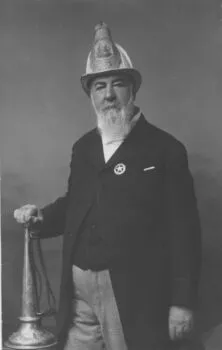 Photo: Alexander Cartwright, via sportshistorynetwork.com
His twenty rules were simple: three strikes and you're out, three outs per side, foul balls don't count as strikes, and—most importantly—no more throwing the ball at runners. You had to tag them or force them out at a base.
Cartwright had no idea he was codifying a religion. He was just a guy who wanted his Saturday games to run smoothly.
The Immigrants Who Perfected It
As Cartwright's rules spread through amateur clubs across the Northeast, something unexpected happened. The game began attracting players from immigrant communities—Irish dock workers, German brewers, Italian laborers—who brought their own athletic traditions and competitive fire.
These weren't gentlemen playing for exercise and fellowship. They were working-class men who saw an opportunity to excel at something purely American, to prove themselves worthy of belonging in their adopted country. They played harder, practiced longer, and pushed the boundaries of what the game could become.
By the 1860s, some clubs were paying their best players under the table. The "amateur" ideal was crumbling, but the game was getting better. Much better.
The War That Spread the Gospel
The Civil War should have killed baseball before it truly began. Instead, it became the sport's greatest marketing campaign. Union soldiers from New York and Boston taught the game to troops from Ohio and Michigan during long stretches in camp. When they returned home, they brought Cartwright's rules with them.
Prisoners of war played baseball in Confederate camps. Soldiers organized games during truces. A sport that had been concentrated in a few Northeastern cities suddenly had evangelists scattered across the entire continent.
Nobody planned this missionary work. It just happened.
The Accidental Empire
By 1869, the Cincinnati Red Stockings became the first openly professional baseball team, barnstorming across the country and drawing crowds who had never seen the game played at such a high level. Within a decade, the National League was formed, and baseball was no longer just a pastime—it was a business.
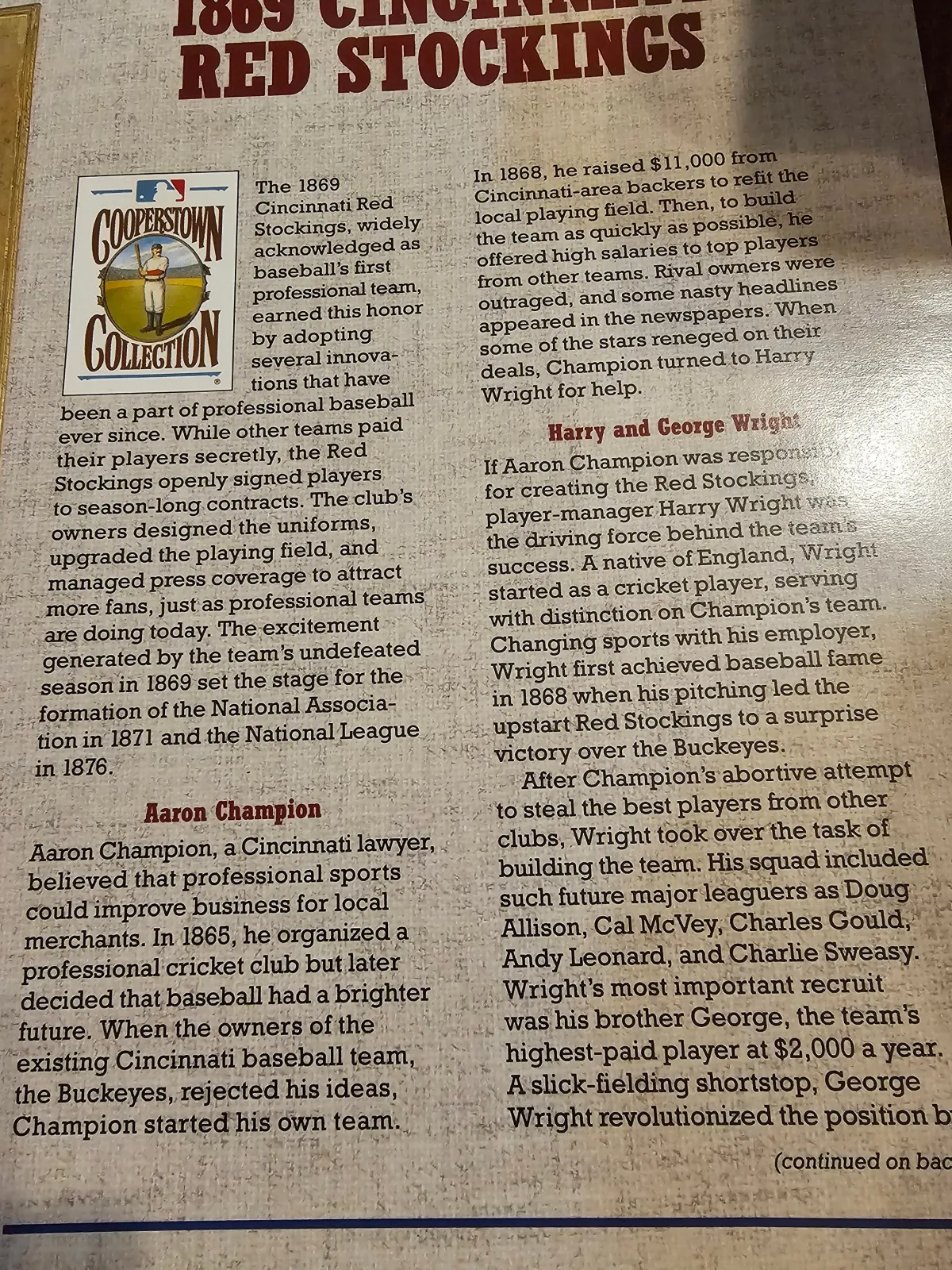 Photo: Cincinnati Red Stockings, via i.etsystatic.com
The irony was perfect. A game that had emerged from the democratic impulse of working people to organize their own entertainment had become a commercial spectacle. The sandlot had given birth to the stadium.
The Lesson of the Unplanned
Today, Major League Baseball generates billions in revenue and employs thousands of people whose entire careers depend on a game that nobody meant to invent. The sport that defines American summers emerged not from the vision of a single genius, but from the accumulated choices of countless ordinary people who just wanted to play.
This is how culture really works. Not through grand design, but through the messy, collaborative process of people figuring out what they enjoy and then doing more of it. The greatest American institutions—jazz, barbecue, the blues, baseball—all emerged from the margins, created by people who weren't trying to build monuments to themselves.
They were just trying to have a good time.
Abner Doubleday, for the record, was a Union general who spent 1839 attending West Point and probably never held a baseball bat in his life. But in a way, that makes the story even better. The real inventors of baseball were everyone and no one—kids in vacant lots, immigrants proving their worth, soldiers killing time between battles.
They built America's pastime without meaning to, and maybe that's the most American thing of all.