The Girl Nobody Expected
In the winter of 1804, Meriwether Lewis and William Clark were stuck. Their expedition to map the Louisiana Purchase had made it as far as the Mandan villages in present-day North Dakota, but they faced an impossible challenge ahead: crossing the Rocky Mountains with no guide, no horses, and no idea what they'd find on the other side.
 Photo: Rocky Mountains, via hips.hearstapps.com
Then they met a French-Canadian trapper named Toussaint Charbonneau, who offered his services as an interpreter. The captains weren't particularly impressed with Charbonneau, but they were very interested in his pregnant teenage wife—a Shoshone woman who had been captured by enemy raiders years earlier and sold into marriage.
Her name was Sacagawea, and she was about to become the most indispensable person on the most important expedition in American history.
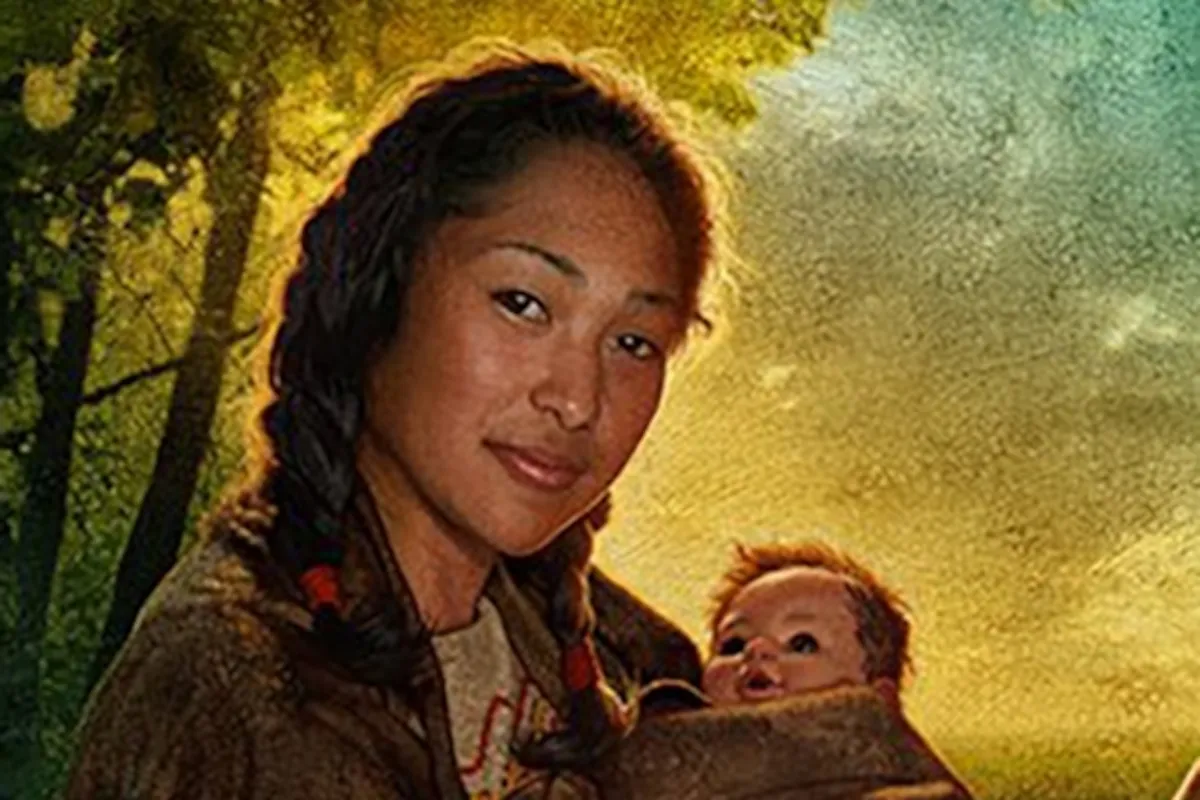 Photo: Sacagawea, via i.natgeofe.com
The Weight of Impossible Circumstances
Sacagawea was carrying more than anyone should have to bear. At fifteen or sixteen years old, she was far from her people, married to a man she hadn't chosen, and about to give birth during one of the harshest winters on record. When Lewis and Clark hired her husband, she became responsible for guiding thirty-plus strangers through thousands of miles of unknown territory while caring for a newborn.
Nobody asked if she wanted to go. Nobody asked what she thought about the mission. She was simply expected to perform, and somehow, she did.
On February 11, 1805, she gave birth to a son, Jean Baptiste. Seven weeks later, she strapped him to her back and began walking west into history.
The Knowledge That Saved Lives
What Lewis and Clark discovered was that Sacagawea possessed something no amount of military training could provide: an intimate understanding of how to survive in the wilderness. She knew which roots were edible and which were poisonous. She could read weather patterns and animal behavior. She understood the diplomatic protocols that might mean the difference between trade and warfare with the tribes they'd encounter.
In May 1805, when a sudden squall capsized one of their boats, threatening to destroy irreplaceable maps, instruments, and journals, it was Sacagawea who calmly retrieved the floating cargo while the men panicked. Lewis later wrote that her presence of mind had saved the expedition.
She was sixteen years old and had never seen the ocean they were trying to reach.
The Moment Everything Changed
The expedition's most critical test came in August 1805, when they encountered a band of Shoshone warriors in the Bitterroot Mountains. The success of the entire mission depended on convincing these horsemen to trade for the animals Lewis and Clark needed to cross the Rockies.
As the two groups faced each other warily, Sacagawea began to cry. She had recognized the Shoshone chief as her brother, Cameahwait—the same brother from whom she had been separated when raiders captured her years earlier.
The reunion transformed a tense diplomatic encounter into a family gathering. Within hours, the Shoshone were sharing food, information, and horses with the expedition. Without Sacagawea's presence and her connection to her people, Lewis and Clark would likely have died in the mountains.
The Quiet Competence That History Forgot
Throughout the eighteen-month journey, Sacagawea's contributions were constant but rarely dramatic enough to fill entire journal entries. She served as translator, guide, diplomat, forager, and cultural bridge. Her presence signaled to other tribes that this was not a war party—no hostile expedition would travel with a woman and infant.
When the group ran out of food, she found edible plants. When they needed to navigate unfamiliar rivers, she remembered landmarks from childhood stories. When her husband proved unreliable (which was often), she quietly picked up the slack.
Lewis and Clark wrote extensively about their own leadership challenges and strategic decisions. Sacagawea's daily acts of competence barely rated mentions.
The Price of Being Indispensable
The expedition reached the Pacific Ocean in November 1805, achieving the goal that had seemed impossible when they set out. Sacagawea had walked over 4,000 miles while carrying and caring for her infant son, serving as guide and interpreter for men who couldn't have survived a week without her knowledge.
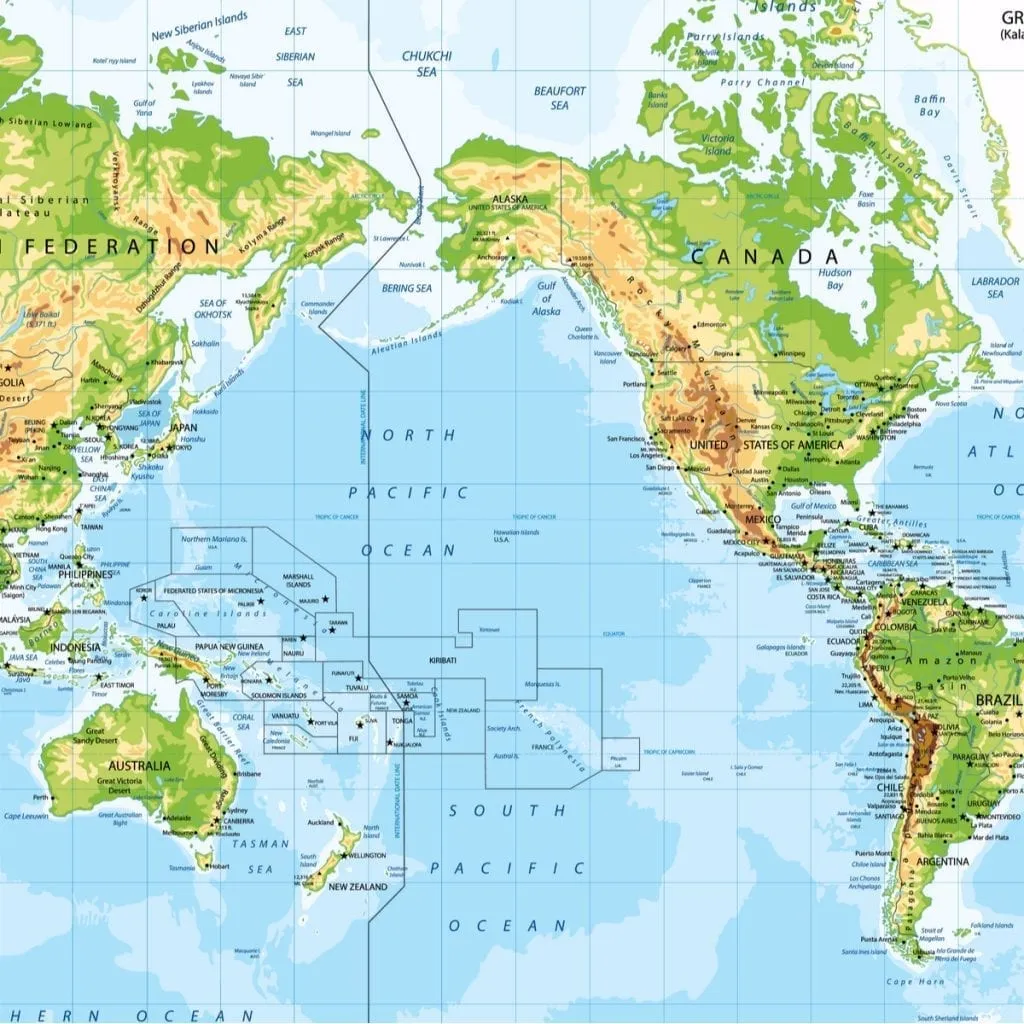 Photo: Pacific Ocean, via besthotelshome.com
When the expedition returned to the Mandan villages in 1806, Lewis and Clark paid Charbonneau $500 for his services. They paid Sacagawea nothing. She wasn't considered an employee—she was considered property.
Clark, who had grown fond of young Jean Baptiste during the journey, offered to educate the boy in St. Louis. Sacagawea agreed, understanding that her son would have opportunities in the white world that she never would.
The Legend That Overshadowed the Woman
In the decades after the expedition, as Lewis and Clark's journals were published and the story of western expansion became American mythology, Sacagawea was gradually transformed from a real person into a symbol. She became the "Indian princess" who helped white explorers, the noble savage who facilitated Manifest Destiny.
The real Sacagawea—the teenager who survived capture, forced marriage, and an impossible journey while displaying remarkable competence and grace—got lost in the legend. Her actual thoughts, feelings, and motivations were considered less important than her symbolic value.
She died young, probably in her twenties, far from the Shoshone homeland she had helped others reach but never returned to herself.
The Uneven Path to Recognition
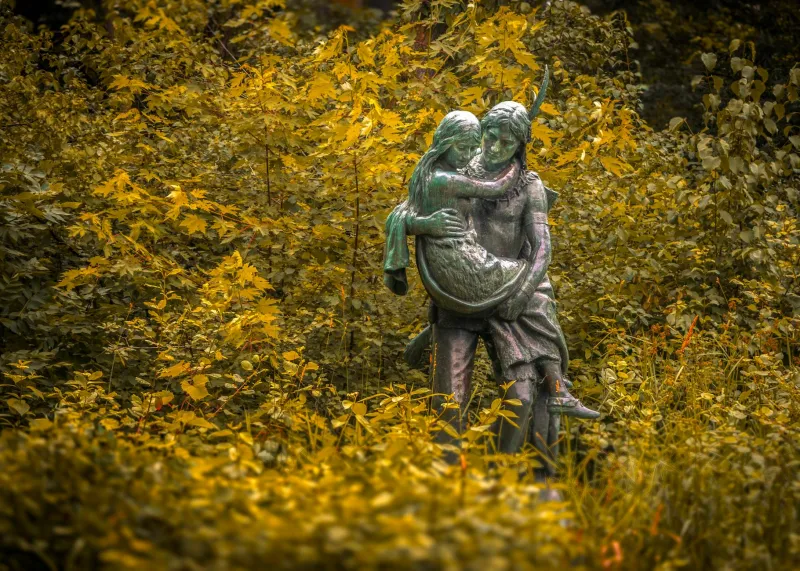
Today, Sacagawea appears on the dollar coin and has more statues dedicated to her than any other American woman. Schools and parks bear her name. She's been claimed as a feminist icon, a symbol of indigenous wisdom, and an example of American determination.
But perhaps the most remarkable thing about Sacagawea's story is how ordinary her extraordinary competence was. She didn't set out to become a historical figure or change the course of American expansion. She simply did what needed to be done, day after day, under circumstances that would have broken most people.
In an age that celebrates individual genius and dramatic breakthroughs, Sacagawea's legacy is a reminder that history's most important contributions often come from people who are simply present, prepared, and willing to help when help is desperately needed.
She was supposed to be invisible. Instead, she became indispensable.