The Insult That Changed Baseball Forever
John I. Taylor was seething as he walked out of the 1911 American League owners' meeting in Chicago. The young Boston Red Sox owner had just been publicly dressed down by his New York counterparts, who'd made it clear they considered him a lightweight—a rich kid playing with daddy's money who didn't understand the real business of baseball.
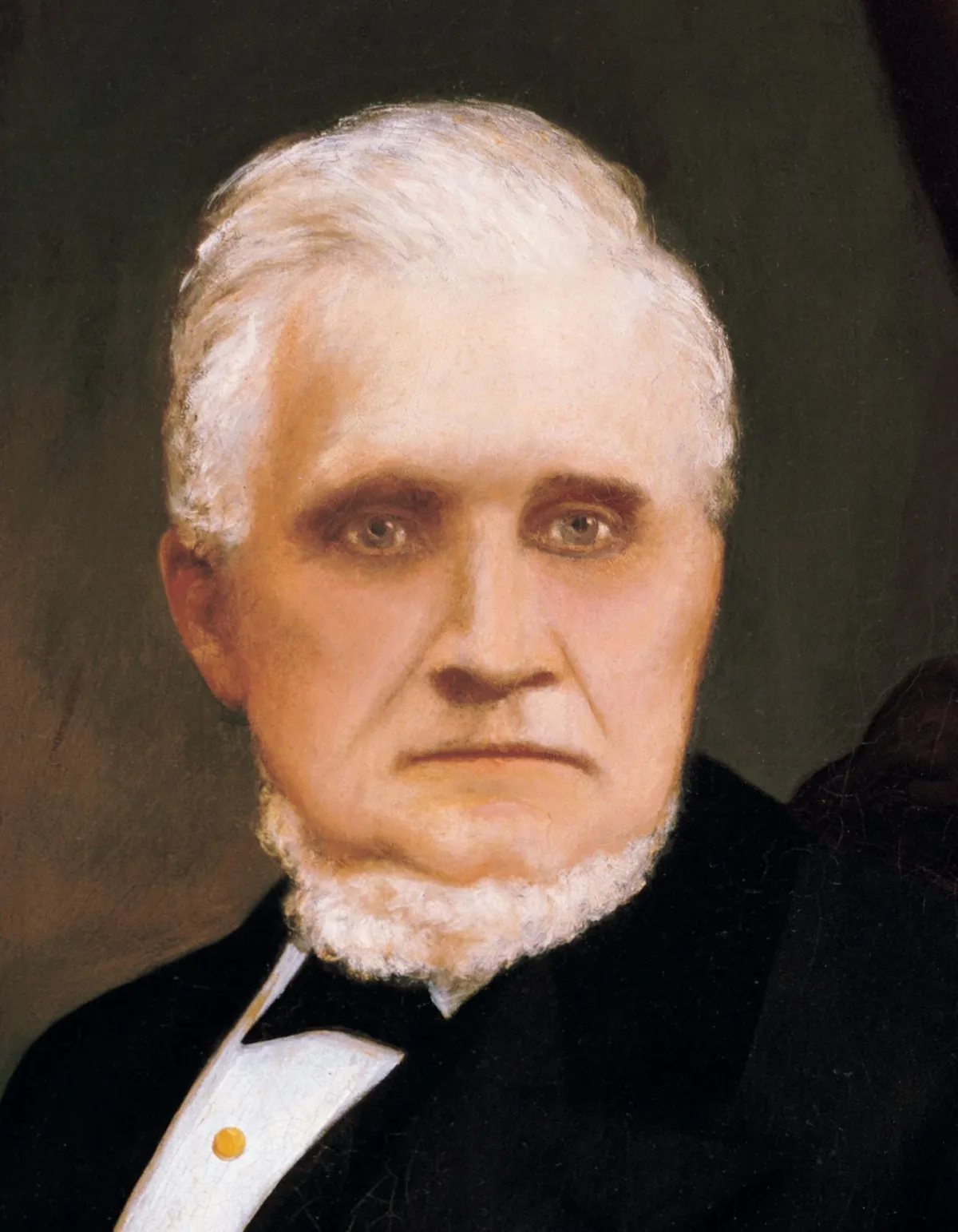 Photo: John I. Taylor, via assets.ldscdn.org
They weren't entirely wrong. Taylor had inherited the team from his father, General Charles Taylor, publisher of the Boston Globe. At 28, he was the youngest owner in the league, and his fellow magnates treated him accordingly. But as Taylor stewed in his hotel room that night, plotting his response, he had no idea his wounded ego was about to create the most iconic ballpark in American sports.
The insult that stung most came from Frank Farrell, owner of the New York Highlanders (later the Yankees). Farrell had sneered that Boston would "never build anything that could compete with what we're planning in New York." It was a reference to the Highlanders' upcoming move to a grand new stadium that would dwarf Boston's cramped Huntington Avenue Grounds.
Taylor decided to prove him wrong in the most expensive way possible.
Spite as Architecture
Within weeks of returning to Boston, Taylor had purchased a triangular plot of land in the Fenway neighborhood—a swampy area considered unsuitable for development. The lot's odd shape and awkward dimensions would have deterred most builders, but Taylor saw opportunity in the obstacles. If New York wanted grand and conventional, Boston would give them intimate and impossible.
Taylor hired architect James McLaughlin with specific instructions: build something New York couldn't copy. The result was a ballpark that broke every rule of stadium design. Instead of fighting the lot's constraints, McLaughlin embraced them. The left field wall, pushed close to home plate by the street layout, rose to an unprecedented 37 feet (later 37 feet, 2 inches—the famous Green Monster).
Critics called it a "bandbox" and predicted fans would tire of the gimmicky dimensions. Taylor didn't care. Every quirk in his ballpark was a middle finger to the owners who'd dismissed him as a pretender.
The Revenge That Became Romance
Fenway Park opened on April 20, 1912—the same year the Titanic sank and just five days after that disaster dominated headlines. The timing seemed ominous, but Taylor's spite palace was an immediate hit with Boston fans. The intimate scale that critics mocked created an atmosphere unlike anywhere else in baseball. Fans could practically reach out and touch the players. Every seat felt like it was in the action.
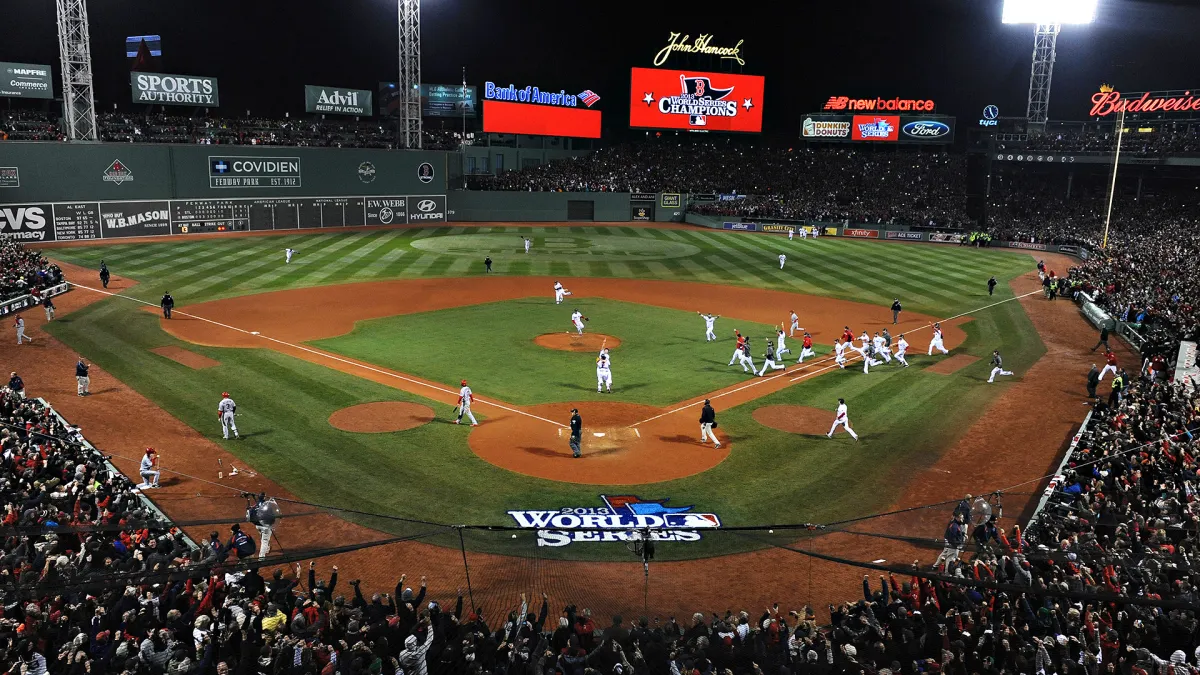 Photo: Fenway Park, via eskipaper.com
The quirky dimensions that were supposed to be Fenway's weakness became its signature strength. The Green Monster turned routine fly balls into doubles and created a unique style of play that favored smart, scrappy teams over pure power. Boston's players learned to use the wall's caroms and angles like an extra fielder, developing skills that translated into competitive advantages in other parks.
Meanwhile, New York's grand stadium plans kept getting delayed and scaled back. By the time the Highlanders finally moved to their new home in 1923 (renamed Yankee Stadium), Fenway had already established itself as something special—a ballpark with personality in an era of cookie-cutter conformity.
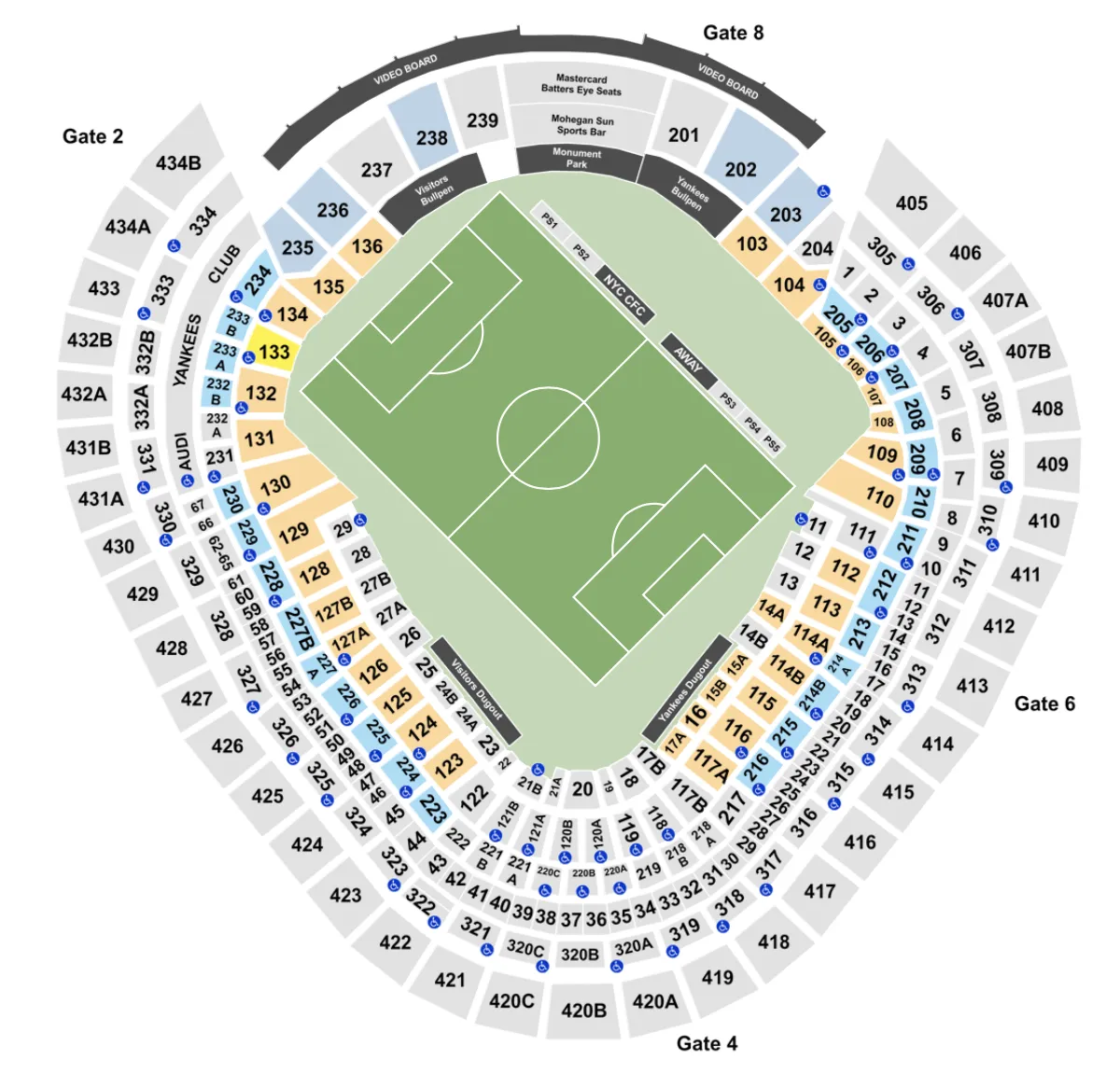 Photo: Yankee Stadium, via blog.ticketiq.com
When Spite Outlasts Its Source
The beautiful irony of Taylor's revenge is that it succeeded so completely, it erased the grudge that created it. Within a decade, Fenway Park was beloved not because it stuck it to New York, but because it had become irreplaceably Boston. The wall that was built from wounded pride became a canvas for dreams. The intimate dimensions born from spite created moments of magic that transcended baseball.
Taylor himself seemed to forget his original motivation. In interviews later in his career, he spoke of Fenway as if he'd always intended to build something unique and fan-friendly. The spite that drove its creation became an embarrassing footnote to a more noble story about innovation and fan experience.
But the evidence of that original grudge remains embedded in Fenway's DNA. Every odd angle, every quirky dimension, every feature that makes the ballpark impossible to replicate traces back to a young man's determination to prove his critics wrong in the most public way possible.
The Monuments That Outlast Their Makers
Taylor sold the Red Sox in 1916, just four years after Fenway opened. Frank Farrell, the New York owner whose sneer had triggered the whole enterprise, was forced out of baseball in 1915 amid financial scandals. The grudge that built Fenway faded into history, but the ballpark it created became eternal.
Today, Fenway Park is the oldest ballpark in Major League Baseball, a shrine that has hosted everything from World Series championships to papal masses. Millions of fans have created memories within its walls, most having no idea they're sitting in a monument to wounded pride. The spite that shaped its creation has been transformed into something approaching love.
This transformation reveals something profound about how great things get built. The initial motivation—revenge, pride, the desire to prove critics wrong—often matters less than the commitment and resources that motivation unleashes. Taylor's wounded ego drove him to spend more money, take bigger risks, and push harder for innovation than he might have if he'd simply set out to build a nice ballpark.
The Productive Power of Being Pissed Off
Fenway's origin story suggests that spite, properly channeled, can be a surprisingly effective creative force. The desire to prove doubters wrong has driven countless innovations, from scientific breakthroughs to artistic masterpieces to architectural marvels. What matters isn't the purity of the initial motivation, but whether that motivation generates the energy and commitment necessary to create something lasting.
Taylor's story also illustrates how the things we build in anger often outlast the anger that built them. The young owner who felt disrespected by his peers channeled that frustration into creating something that would earn respect for generations. His temporary wounded pride became Boston's permanent source of civic pride.
The Legacy of Constructive Spite
More than a century after it opened, Fenway Park remains proof that sometimes the best way to get even is to build something so good that everyone forgets what you were getting even for. The ballpark that began as John Taylor's middle finger to his critics became Boston's love letter to baseball.
Every time the Red Sox take the field at Fenway, every time a child sees the Green Monster for the first time, every time the crowd rises for "Sweet Caroline," they're participating in the ongoing transformation of spite into joy. The grudge that built Fenway has long since been forgotten, but the cathedral it created continues to host the rituals that bind a city together.
In the end, that might be spite's greatest achievement: building something so beautiful that it makes the anger that created it irrelevant. John Taylor wanted to show up his critics. Instead, he gave Boston something to believe in forever.