After the Fall: How One Woman Turned Her Worst Day Into America's Most Welcoming Trail
The fall took less than three seconds. The recovery took years. And what grew out of it — stubbornly, improbably, like something forcing itself through cracked pavement — changed what it means for an American to belong in the outdoors.
Pam Ferris had been climbing since she was nineteen. Not casually. Seriously — the kind of climbing that involves early alarms, chalk-dusted hands, and a relationship with risk that most people prefer to observe from a safe distance. By her mid-thirties, she had summited peaks across the American West, logged thousands of trail miles, and built a life organized in no small part around vertical movement.
Then, on a clear October morning in 2003, a handhold gave way on a route in Colorado's Eldorado Canyon. She fell twenty-two feet.
The Diagnosis Nobody Wants
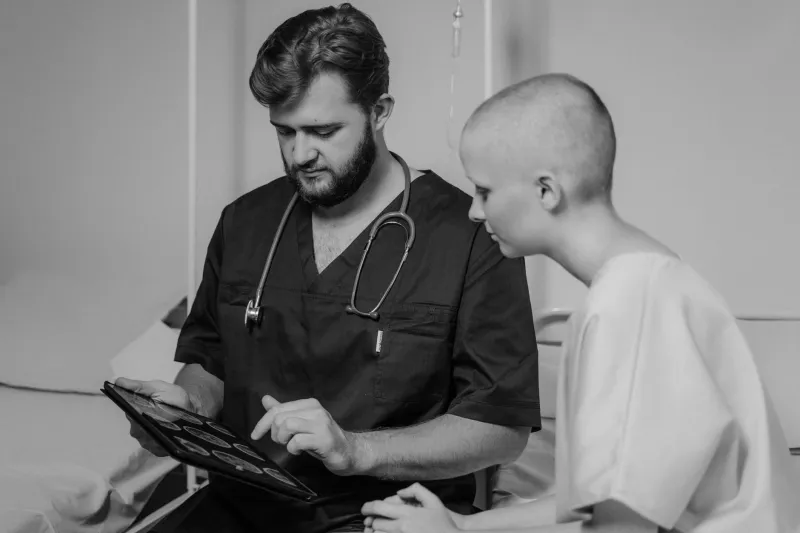
The spinal cord injury was incomplete — which sounds like good news until you understand what it actually means. Some sensation, some partial function, enormous uncertainty. The neurologist who spoke with Ferris in the days following surgery was careful with his words, the way doctors are when they're delivering a sentence. The prognosis for walking independently, he told her, was not good. She should plan her life accordingly.
She heard him. She just didn't entirely believe him.
That's not meant to sound dismissive of medical expertise. Ferris would be the first to tell you she spent months in deep grief — for the body she'd had, for the future she'd imagined, for the specific freedom that comes from moving through wild places under your own power. The grief was real and it was necessary. She didn't skip it.
But somewhere in the middle of it, she started asking a different question. Not why did this happen to me, but what does the outdoors actually owe to people like me now?
The answer, when she looked honestly, was: almost nothing.
The Wilderness Gap Nobody Talked About
America has over 200,000 miles of hiking trails maintained across federal lands alone. The majority of them are inaccessible to anyone with significant mobility limitations. The problem isn't just physical — steep grades, uneven terrain, the absence of rest points — it's also philosophical. For most of the history of American conservation, "access" meant getting people to the trailhead. What happened after that was your problem.
Ferris, newly navigating the world from a wheelchair during her recovery, started cataloging what existed for adaptive hikers. There were paved paths in some national parks. A few well-intentioned but poorly executed "accessible routes" that dead-ended abruptly or required assistance that defeated the purpose. A smattering of advocacy organizations doing good work in isolation.
What didn't exist was a cohesive network. A system. A set of standards that took seriously the idea that a person using a handcycle, a trail wheelchair, or forearm crutches deserved the same quality of wilderness experience as someone in hiking boots.
Ferris decided to build one.
From Sketchbook to Switchback
She had no background in trail design. No engineering degree. No nonprofit management experience. What she had was a physical therapist who believed in her, a brother-in-law who happened to be a landscape architect, a small inheritance she was willing to spend, and the particular ferocity of someone who has lost something enormous and refuses to lose anything else.
She spent two years researching — visiting adaptive recreation programs across the country, talking to wheelchair users and amputees and people with visual impairments about what they actually needed from a trail, not what designers assumed they needed. She learned the difference between ADA compliance (a legal floor) and genuine accessibility (a design philosophy). They are not the same thing, and confusing them, she discovered, was how you ended up with a "wheelchair accessible" path that lasted 400 feet before dumping users at the edge of a gravel field.
In 2006, she broke ground — metaphorically and literally — on the first trail in what would become the Open Ridge Network, a nonprofit trail system eventually spanning portions of Colorado, Utah, New Mexico, and Wyoming. The trails were designed from the beginning for adaptive users, with consistent grades, stabilized surfaces, rest shelters at regular intervals, and — crucially — routes that actually went somewhere worth going. To viewpoints. To water. Into the kind of landscape that makes a person feel small in the best possible way.
What Inclusion Actually Costs
Building accessible trails is more expensive than building standard ones. The materials cost more. The engineering requires more precision. The maintenance is more demanding. Ferris fought this battle constantly, with grant committees, with land management agencies, with donors who wanted to fund the glamorous parts of conservation without paying for the infrastructure that made those parts reachable.
She won more than she lost. By 2015, the Open Ridge Network had completed over 340 miles of adaptive trail and partnered with the National Park Service on pilot programs at three sites. By 2020, the model had been replicated by organizations in eight additional states, using design standards that Ferris's team had developed and made freely available.
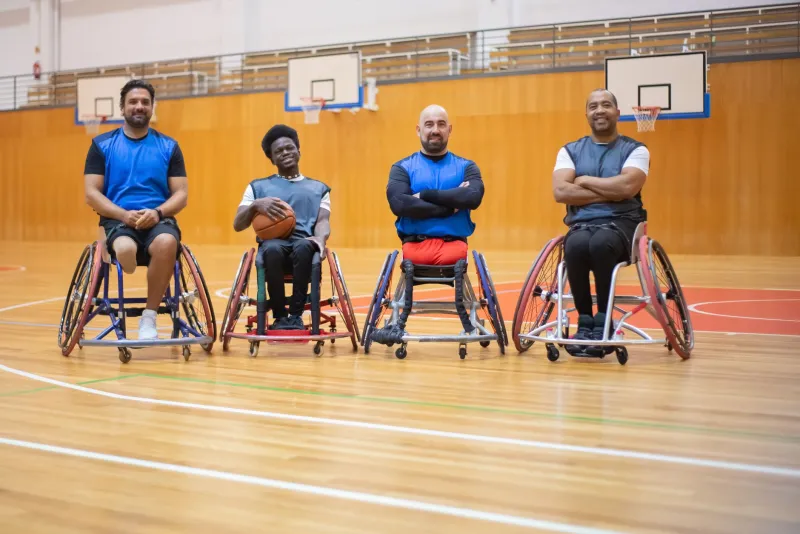
The trails don't just serve wheelchair users. They serve older hikers whose knees have made traditional terrain prohibitive. Parents with jogging strollers. People recovering from surgeries. Veterans with prosthetics. The population of people for whom standard trail design simply doesn't work is, it turns out, enormous — and largely invisible in the conversation about who the outdoors belongs to.
The View From Here
Ferris still uses a trail wheelchair on the routes her organization built. She describes the experience — the specific quality of moving through open landscape, the smell of altitude, the way light behaves differently in the mountains than anywhere else — with the same precision she once used to describe a climbing route.
She walks, too, with forearm crutches, on good days, for short distances. The neurologist wasn't entirely wrong. But he wasn't entirely right either, and she's made her peace with the ambiguity.
What she hasn't made peace with — and probably never will — is the idea that access to wild places is a privilege reserved for the able-bodied and the lucky. That fight is ongoing. The trails are the argument she's making, mile by mile, across the American West.
Some paths, it turns out, are built specifically because someone had to walk the hard one first.